How to Avoid Asphalt Paving Failure Engineering and Asset Protection
Infrastructure durability depends heavily on civil design execution and subbase geotechnical integrity. Flexible pavement systems appear straightforward on the surface, yet they function as complex, multi-layered structures subjected to dynamic wheel loads, thermal cycles, and subsurface moisture movement. How to Avoid Asphalt Paving Failure. When engineers or site managers focus solely on surface layer thickness while neglecting underlying soil conditions, early structural degradation becomes inevitable.
Preventing premature asphalt failure requires an analytical understanding of material science, compaction mechanics, and drainage physics. Asphalt concrete consists of mineral aggregates bound together by viscoelastic bitumen. This composite structure requires adequate subbase support to distribute heavy vehicular loads across natural subgrade soils. Deficiencies in subgrade compaction, aggregate gradation, or temperature control during laydown create immediate vulnerabilities that accelerate surface rutting and fatigue cracking.
Strategic pavement management shifts the operational focus from reactive repairs to proactive structural engineering. By evaluating environmental stressors, drainage slopes, and expected traffic volumes during initial design, facility managers preserve long-term asset value. This guide explores fundamental failure mechanisms, diagnostic frameworks, construction controls, and preventative maintenance strategies required to maximize pavement lifespan.
How to Avoid Asphalt Paving Failure
Subgrade Evaluation and Soil Stabilization
Understanding how to avoid asphalt paving failure starts long before hot mix asphalt arrives at the construction site. Natural subgrade soil acts as the ultimate load-bearing foundation for all overlying pavement courses. Poor native soils, such as high-plasticity clays or organic silts, expand and contract significantly during freeze-thaw cycles or seasonal rainfall.
Engineers perform proof-rolling and soil moisture testing to identify soft spots across the subgrade footprint. Unstable soils are excavated and replaced with clean aggregate, or stabilized using chemical agents like lime or cement. Incorporating woven geotextile fabrics above weak subgrades prevents soft clay particles from migrating upward into the aggregate base layer.
Aggregate Subbase Compaction Mechanics
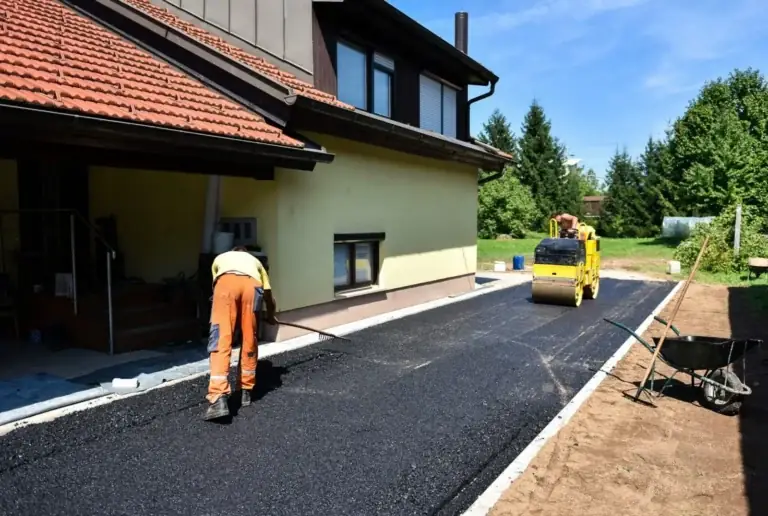
Compaction density determines the ultimate load-bearing capacity of aggregate subbase materials. Aggregate bases are placed in loose lifts and compacted thoroughly using heavy vibratory rollers. Skipping density verification tests creates hidden structural voids beneath the asphalt wear layer.
Under continuous traffic loading, uncompacted base aggregate shifts and consolidates unevenly. This movement causes localized surface depressions, rutting, and longitudinal fatigue cracking. Dense crushed stone bases, compacted to ninety-eight percent maximum dry density, spread concentrated tire pressures broadly across natural subsoil.
Mix Temperature Control and Laydown Operations
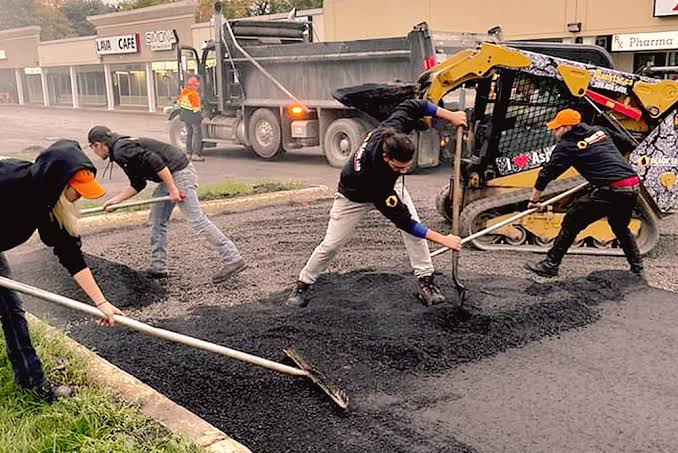
Hot mix asphalt requires precise thermal management from the batch plant to final compaction. Asphalt binder behaves as a temperature-sensitive fluid that must remain workable during spreading and rolling operations. If mix temperatures drop below specified thresholds before compaction finishes, air void percentages increase dramatically.
High air voids allow surface water and oxygen to penetrate deep into the asphalt matrix. Water causes stripping of the bitumen film from aggregate surfaces, while oxidation brittle-hardens the binder. Maintaining tight thermal delivery windows ensures proper density and prevents premature surface raveling.
Drainage System Engineering and Runoff Control
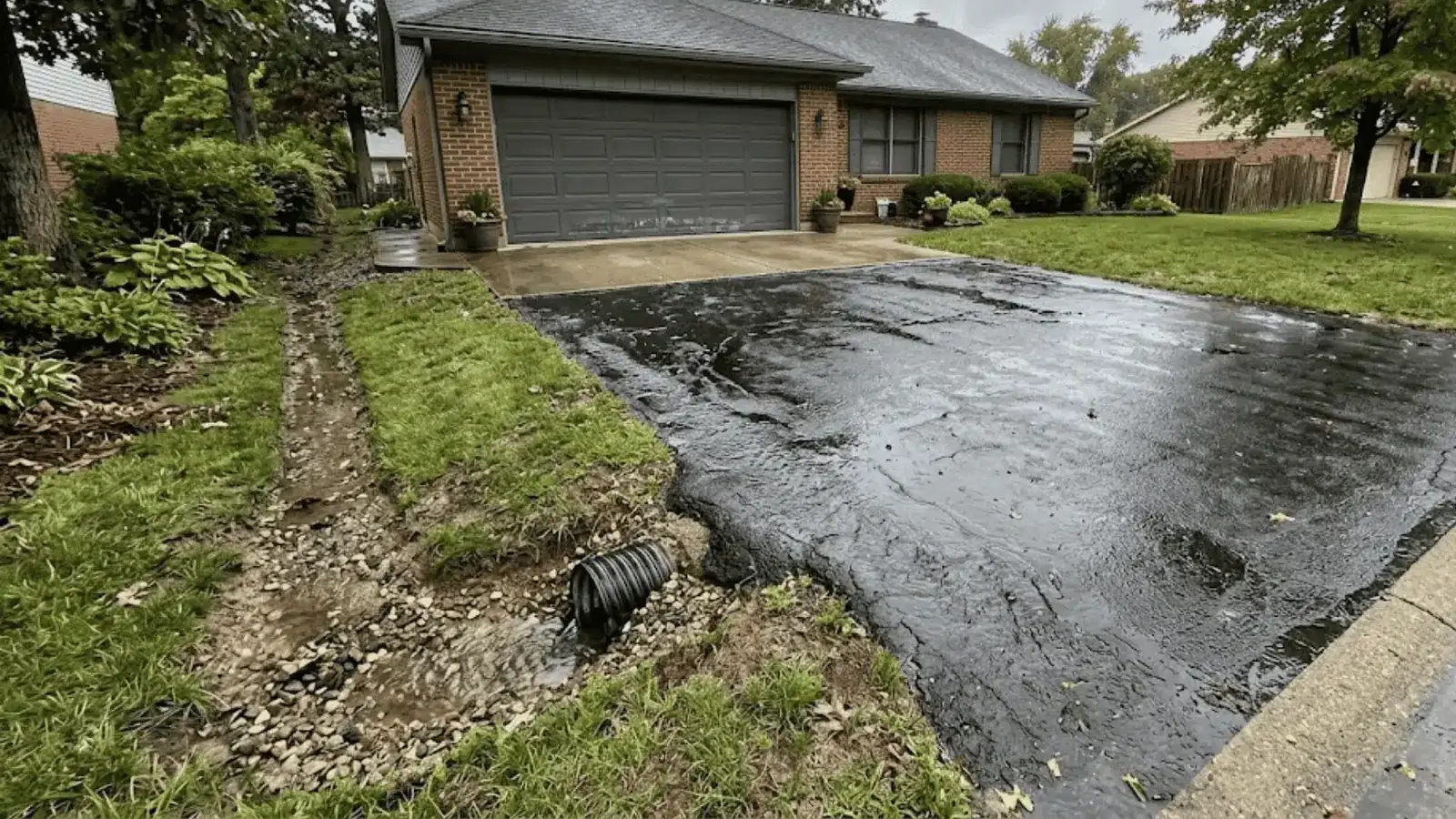
Moisture represents the primary destructive force acting on flexible pavement installations. Water that pools on surface asphalt or saturates subbase aggregate rapidly degrades structural integrity under dynamic wheel loads. Proper site design establishes positive surface drainage pitches between one and two percent.
Subsurface drainage channels, perimeter french drains, and catch basins collect infiltrating moisture before it reaches subgrade soils. Shielding base layers from chronic saturation prevents base softening, pumping of fines, and severe alligator cracking patterns.
Deep Contextual Background
Industrial Evolution of Pavement Design
Early bituminous road construction relied primarily on empirical rules and localized experience rather than rigorous structural analysis. Late nineteenth-century road builders applied thin coats of tar over loosely placed stone without formal density specifications or binder characterization. As commercial trucking expanded in the mid-twentieth century, early pavements failed rapidly under heavier axle loads.
The AASHO Road Test conducted in the late 1950s introduced modern structural design principles for flexible pavements. Researchers established mathematical relationships between axle load repetitions, pavement layer thicknesses, and serviceability loss over time. These empirical formulas laid the foundation for contemporary Superpave mix design protocols and Mechanistic-Empirical Pavement Design Guides used today.
Environmental Regulations and Material Reclamation
Environmental protection mandates transformed asphalt production practices over recent decades. Stricter atmospheric emissions standards forced asphalt plants to transition from wet scrubber systems to high-efficiency baghouses. Concurrently, municipal authorities encouraged widespread adoption of Reclaimed Asphalt Pavement (RAP) inside fresh hot mix formulations.
Integrating recycled materials lowers raw material costs and reduces petroleum usage significantly. However, excessive RAP proportions introduce aged, brittle bitumen binders into new mixtures if soft virgin binders are omitted. Modern pavement engineering carefully balances recycled content percentages to maintain fatigue resistance while meeting environmental compliance goals.
Conceptual Frameworks and Mental Models
The Viscoelastic Response Model
Bituminous materials display both elastic solid and viscous liquid behaviors depending on loading time and ambient temperature. Under fast-moving vehicle tires, asphalt behaves elastically, flexing briefly before returning to its original shape. Under static heavy loads or high summer temperatures, asphalt behaves viscouly, slowly deforming permanently under applied stress.
This viscoelastic duality explains why heavy delivery trucks standing on hot asphalt generate deep rutting quickly. Designing resilient pavements requires matching bitumen performance grades (PG binders) to localized climate extremes and expected traffic speeds. Selecting polymer-modified binders raises high-temperature rut resistance without sacrificing low-temperature cracking performance.
The Flexible Pavement Load Distribution Cone
Applied vehicular loads pass downward through asphalt pavement layers in a widening stress distribution cone. Concentrated surface tire pressures diminish in intensity as force spreads outward through successive structural layers. The upper wear layer absorbs high shear stresses, while the aggregate subbase cushions the natural subgrade soil beneath.
If any single layer lacks sufficient thickness or density, underlying layers absorb excessive stress levels. Subgrade soils subjected to forces beyond their ultimate bearing capacity yield permanently, causing surface collapse. Layered depth design ensures each material layer operates comfortably within its structural strain limit.
The Pavement Life Cycle Degradation Curve
Pavement quality deteriorates slowly during the first seventy-five percent of its design lifespan, showing minimal visual distress. Following this initial period, structural deterioration accelerates rapidly, causing severe cracking, surface potholes, and subbase failure within a short window. Performing minor preventative maintenance during early low-slope deterioration phases costs substantially less than executing major structural reconstruction later.
Timely applications of fog seals, crack sealants, and thin overlays extend pavement longevity cost-effectively. Delaying intervention until structural failure manifests forces property managers into expensive full-depth reclamation projects.
Key Categories and Material Variations
Dense-Graded Hot Mix Asphalt
Dense-graded hot mix asphalt consists of well-graded aggregates combined with asphalt cement, creating a tight, low-permeability wear surface. It provides high structural strength, smooth ride quality, and excellent resistance to water intrusion when properly compacted. Dense mixes serve as standard wear courses for commercial parking areas, arterial highways, and residential streets.
Performance depends heavily on precise aggregate gradation control and optimum binder content during batching. Excessive dust content weakens binder bonds, while insufficient bitumen leads to accelerated oxidative aging and surface raveling.
Stone Matrix Asphalt (SMA)
Stone matrix asphalt utilizes a gap-graded stone skeleton bound together by a rich bitumen and cellulose fiber mastic. Interlocking coarse aggregate particles contact directly, forming a rigid stone framework that resists high-temperature plastic rutting under heavy truck traffic. The rich asphalt mastic provides exceptional resistance to moisture damage and fatigue cracking.
SMA installation costs remain higher than dense-graded mixtures due to increased bitumen content and specialized mineral additives. However, its superior rut resistance makes it ideal for heavy commercial loading zones, bus channels, and high-volume intersections.
Open-Graded Friction Courses (OGFC)
Open-graded friction courses contain minimal fine aggregate, generating an interconnected matrix of air voids exceeding fifteen percent. This open structure allows surface rainwater to drain internally through the upper pavement layer rather than pooling on top. Water drains laterally toward pavement shoulders, eliminating hydroplaning hazards and reducing splash spray during heavy rainfall.
OGFC layers require stable underlying impermeable pavement courses to prevent water from saturating aggregate subbases beneath. Over time, air voids collect road dust and organic debris, requiring specialized vacuum sweeping to maintain drainage capacity.
Warm Mix Asphalt (WMA) Technologies
Warm mix asphalt utilizes chemical additives, organic waxes, or water-injection foaming systems to reduce production and laydown temperatures. Lowering mix temperatures by thirty to fifty degrees Fahrenheit reduces fuel consumption and greenhouse gas emissions at the asphalt plant. Lower laydown temperatures also improve worker safety conditions and permit longer hauling distances to remote project sites.
Reduced production heat preserves binder flexibility by minimizing short-term oxidative hardening during mixing. WMA facilitates better compaction density during cold-weather paving operations, helping site managers avoid asphalt paving failure in late-season projects.
Cold Mix Asphalt for Emergency Repairs
Cold mix asphalt combines unheated aggregate with emulsified or cutback liquid asphalt binders, remaining workable at ambient temperatures. It serves as a temporary patching material for winter potholes and utility trench repairs when hot mix plants remain closed. Cold mix requires minimal installation equipment, relying on manual tamping or truck tires for compaction.
Because cold mix binder retains volatile solvents or water carriers, its ultimate structural strength remains significantly lower than hot mix alternatives. Using cold mix as a permanent structural surface leads to rapid shoving, displacement, and recurring pothole formation under standard traffic volumes.
Comparative Material Performance Matrix
| Material Category | Relative Initial Cost | Rutting Resistance | Moisture Resistance | Thermal Crack Resistance | Primary Ideal Application |
| Dense-Graded HMA | Moderate | Moderate | High | Moderate | General Traffic & Parking |
| Stone Matrix Asphalt | High | Very High | Very High | High | Heavy Commercial Corridors |
| Open-Graded Friction | High | Moderate | Low (Internal) | Moderate | High-Speed Wet Weather Roads |
| Warm Mix Asphalt | Moderate | High | High | High | Cold Weather & Long Hauls |
| Cold Mix Asphalt | Low | Very Low | Low | Low | Temporary Winter Patching |
Strategic Material Selection Logic
Selecting appropriate pavement materials requires evaluating localized climate exposure, subgrade stability, expected heavy vehicle traffic, and maintenance access. High-volume commercial loading facilities benefit from stone matrix asphalt or polymer-modified dense-graded mixes that resist high static tire pressures. Residential access corridors perform reliably using standard dense-graded hot mix asphalt over well-compacted aggregate subbases.
Where environmental regulations demand stormwater mitigation, open-graded friction courses or permeable friction layers provide effective solutions. Matching binder performance grades to local temperature extremes ensures the pavement resists summer rutting without cracking during winter freezes.
Detailed Real-World Scenarios How to Avoid Asphalt Paving Failure
Industrial Logistics Center Subgrade Failure
An industrial logistics park experienced severe alligator cracking and deep wheel rutting within twelve months of completion. Fully loaded semi-trucks created deep depressions along primary drive aisles, causing trailer landing gear to gouge the surface.
Forensic geotechnical core drilling revealed that contractors placed aggregate base stone directly over wet, high-plasticity clay subgrade without geotextile separation. Heavy rainfall during initial construction saturated the clay, which pumped upward into the aggregate base under heavy truck traffic. The contaminated aggregate base lost its structural friction, causing premature pavement collapse. Reconstruction required excavating contaminated base stone, installing a heavy-duty woven geotextile membrane, placing fresh crushed stone, and repaving with polymer-modified asphalt.
Commercial Parking Lot Thermal Oxidation
A commercial retail center asphalt parking lot developed extensive block cracking and surface raveling after five years of service. Fine aggregate particles loosened under vehicle tires, accumulating along curb lines and leaving a rough, pitted surface texture.
Investigation confirmed that the asphalt contractor paved the lot during late autumn in cold, windy conditions. Hot mix asphalt cooled prematurely during transport, preventing field crews from achieving specified compaction density. High residual air voids allowed atmospheric oxygen and rain to oxidize binder molecules rapidly. Facility managers restored surface integrity by performing rubberized crack sealing followed by applying an asphalt emulsion slurry seal.
Suburban Intersection Shoving and Corrugation
A busy suburban intersection developed pronounced asphalt shoving and surface rippling at signalized stop bars. Heavy city buses braking on hot summer days pushed upper asphalt layers into high transverse ridges.
Analysis indicated that the original mix specification contained excess liquid bitumen binder and rounded natural sand aggregates. Under high ambient temperatures and heavy braking shear forces, the soft binder acted as a lubricant between rounded sand grains. The pavement lacked aggregate interlock strength, causing structural shoving. Repairs involved milling off the unstable surface layer and installing a high-stability stone matrix asphalt wear course containing crushed angular aggregates.
Retail Center Reflection Cracking Over Concrete
A shopping center developer placed a three-inch hot mix asphalt overlay directly over an aging, jointed concrete parking lot. Within eighteen months, distinct straight cracks mirrored every underlying concrete expansion joint across the new asphalt surface.
Seasonal temperature changes caused underlying concrete slabs to expand and contract horizontally. These concentrated thermal movements transferred high tensile stresses upward into the thin asphalt overlay, generating reflection cracks directly above concrete joints. Surface water rapidly entered the open cracks, softening the underlying concrete subgrade. Maintenance crews routed the reflection cracks, installed geotextile crack-prevention membranes, and sealed joints with hot-applied polymer sealant.
Planning, Cost, and Resource Dynamics
Capital Allocation and Project Cost Components
Effective financial planning distinguishes direct material costs from site preparation logistics, quality control testing, and long-term asset management. Direct expenses include aggregate purchases, asphalt binder charges, equipment fuel, operator labor, and material freight. Indirect costs encompass land surveys, engineering design fees, municipal permits, quality assurance testing, and traffic management controls.
Cutting quality assurance testing or subgrade site preparation to reduce initial capital expenditure dramatically increases lifecycle ownership costs. Allocating adequate funding for subbase compaction verification and moisture control yields significant long-term financial returns through extended service life.
Budget Variance and Cost Risk Profiles
| Project Phase | Typical Budget Share | Primary Cost Drivers | Failure Risk Factors |
| Subgrade & Site Prep | 20% – 30% | Excavation, soil stabilization, geotextiles | Unstable clay, high water table, hidden rock |
| Aggregate Subbase | 25% – 35% | Crushed stone, freight delivery, compaction | Inadequate density, contaminated aggregate |
| Asphalt Wear Course | 30% – 40% | Liquid binder prices, HMA delivery, rolling | Low compaction density, thermal cooling |
| Drainage & Details | 10% – 15% | Catch basins, curbing, joint sealing | Poor slope pitch, standing water, unsealed edges |
Tools, Strategies, and Support Systems
Intelligent Compaction Systems
Intelligent compaction technology equips heavy asphalt rollers with global positioning sensors, accelerometers, and infrared temperature gauges. Accelerometers measure roller drum response against underlying pavement stiffness in real time, displaying compaction density maps to equipment operators. Integrated temperature sensors ensure rolling passes occur within optimal thermal windows for maximum air void reduction.
Automated data logging eliminates guesswork during compaction operations, preventing both under-compaction soft spots and over-compaction aggregate crushing. Intelligent compaction provides continuous coverage documentation, helping project managers verify structural density across entire paved areas.
Nuclear and Non-Nuclear Density Gauges
Field inspectors utilize nuclear and electronic density gauges to measure asphalt compaction levels immediately behind rolling equipment. Nuclear gauges measure gamma radiation attenuation through compacted asphalt layers, providing precise density readings in seconds. Non-nuclear electronic gauges measure electrical impedance variations across the asphalt matrix without requiring radioactive licensing protocols.
Rapid density testing enables paving crews to adjust roller patterns or vibration frequencies immediately during active laydown operations. Detecting low-density areas before mix temperatures drop below critical limits prevents permanent compaction flaws.
Pavement Management Systems (PMS)
Pavement Management Systems utilize database software and visual survey tools to track pavement condition indexes (PCI) across corporate or municipal road networks. System software records historical construction data, traffic volumes, crack distress surveys, and maintenance interventions over extended timeframes. Predictive deterioration algorithms model future pavement condition curves based on localized environmental exposure and loading patterns.
Data-driven management software identifies optimal timing windows for low-cost preventative maintenance applications. Utilizing automated condition tracking prevents unexpected structural failures and optimizes multi-year capital budget allocations.
Risk Landscape and Failure Modes How to Avoid Asphalt Paving Failure
Fatigue (Alligator) Cracking
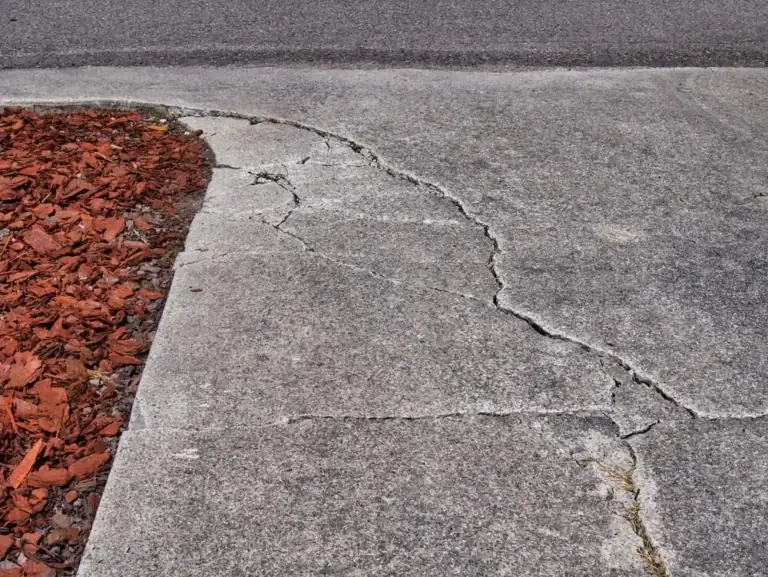
Fatigue cracking appears as interconnected network patterns resembling alligator skin, located primarily along heavy vehicle wheel paths. This failure mode occurs when repeated traffic tire loads flex asphalt layers beyond their ultimate tensile strain capacity. Over time, micro-cracks initiate at the bottom of the asphalt layer and propagate upward to the surface under continuous load cycles.
Saturated aggregate subbases and inadequate pavement layer thicknesses accelerate fatigue cracking significantly. Once alligator cracking reaches advanced stages, water infiltrates subgrade soils rapidly, causing localized structural collapse that requires full-depth patching.
Plastic Deformation and Rutting
Rutting manifests as longitudinal surface depressions extending along primary vehicle wheel tracks. Plastic rutting occurs when upper asphalt layers lack sufficient shear strength, causing hot mix asphalt to consolidate or lateral-shove under heavy tires. Instability rutting stems from poor aggregate interlock, excessive liquid binder, or improper binder performance grade selection during mix design.
Subgrade rutting occurs deep within natural subsoil foundations due to inadequate total pavement thickness or uncompacted base aggregate. Deep water pooling inside wheel ruts creates severe hydroplaning hazards for passenger vehicles during rainstorms.
Longitudinal and Transverse Thermal Cracking
Thermal cracks extend across pavement surfaces either parallel (longitudinal) or perpendicular (transverse) to the roadway centerline. Transverse thermal cracking occurs during sudden ambient temperature drops when asphalt layers shrink rapidly. High tensile stresses develop inside brittle, oxidized bitumen binders, causing the asphalt matrix to snap at regular intervals.
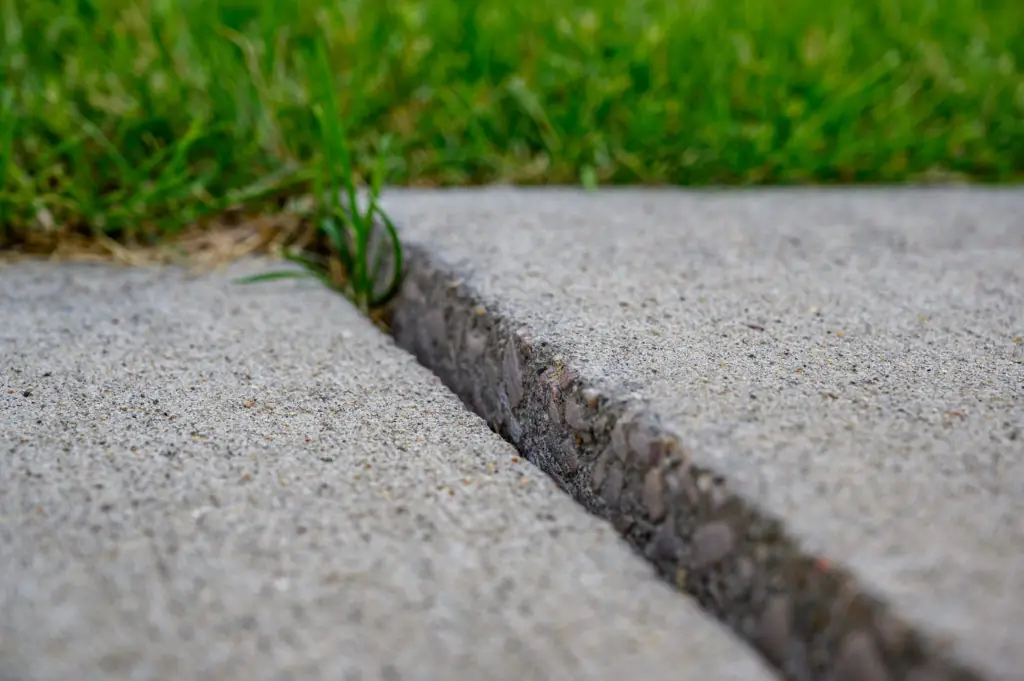
Longitudinal cracks frequently develop along weak, uncompacted longitudinal cold construction joints between adjacent paving passes. Unsealed thermal cracks allow surface moisture to enter subbase layers, initiating winter freeze-thaw heave cycles and accelerated edge deterioration.
Governance, Maintenance, and Long-Term Adaptation
Proactive Pavement Inspection Protocols
| Maintenance Activity | Inspection Window | Execution Criteria | Primary Structural Goal |
| Visual Distress Survey | Bi-annually (Spring & Fall) | Identify open cracks, raveling, edge wear | Early defect detection |
| Rubberized Crack Sealing | Annually (Late Autumn) | Clean & seal cracks wider than 1/8 inch | Prevent subsurface water ingress |
| Surface Sealcoating | Every 3 to 5 Years | Apply asphalt emulsion or coal tar sealers | Slow binder oxidative aging |
| Micro-Surfacing / Overlay | Every 10 to 12 Years | Place thin polymer-modified wear course | Restore friction and ride smoothness |
Measurement, Tracking, and Evaluation
Structural Performance Metrics
Systematic measurement protocols evaluate both immediate construction quality and long-term pavement durability.
-
Leading Indicators: Subgrade proof-roll deflection measurements, aggregate base density percentages, mix laydown temperatures, field core density tests, and surface slope gradients.
-
Lagging Indicators: Pavement Condition Index (PCI) scores, rut depth measurements, linear feet of unsealed cracks, surface roughness indexes, and cumulative structural repair costs.
Common Misconceptions and Oversimplifications How to Avoid Asphalt Paving Failure
Misconception: Increasing Surface Thickness Compensates for Weak Bases
A common misconception suggests that adding an extra inch of surface asphalt compensates for weak, uncompacted subgrade soil. Surface asphalt provides smooth wear characteristics and moisture resistance, but relies entirely on aggregate subbases for structural support. Placing heavy asphalt layers over unstable subsoil simply concentrates stress on weak foundations, accelerating structural cracking.
Money spent on extra asphalt thickness yields poor returns if underlying soil foundations remain unstabilized. Ensuring proper subgrade compaction and aggregate base thickness provides far greater structural strength at significantly lower cost.
Misconception: Sealcoating Restores Structural Pavement Capacity
Property owners frequently believe that applying thin sealcoat treatments restores structural strength to cracked, failing asphalt surfaces. Liquid sealcoats provide protective cosmetic barriers that slow surface binder oxidation and resist light chemical spills. Sealcoats contain no aggregate strength and cannot bridge moving cracks or restore saturated subbase foundations.
Applying sealcoating over severe alligator cracking hides underlying structural defects briefly without halting subgrade deterioration. Structural cracks require proper routing, rubberized crack sealing, or localized full-depth excavation before cosmetic sealants are applied.
Ethical, Practical, and Environmental Considerations
Sustainable pavement engineering balances economic optimization with environmental stewardship and natural resource preservation. Mining raw aggregates and refining petroleum bitumen consume substantial industrial energy and alter natural landscapes. Modern asphalt manufacturing addresses these impacts by maximizing reclaimed asphalt pavement (RAP) integration and utilizing warm mix asphalt technologies.
Recycling existing asphalt pavements conserves virgin aggregate quarries and diverts millions of tons of waste from municipal landfills annually. Designing durable, well-drained pavement structures reduces material consumption over long ownership lifecycles, supporting sustainable infrastructure development goals.
Conclusion
Understanding how to avoid asphalt paving failure requires an integrated engineering approach spanning subgrade preparation, aggregate selection, mix design, and routine maintenance. Preventing premature pavement breakdown depends far more on base compaction and moisture control than surface cosmetic treatments. Preserving subgrade stability through proper drainage design protects structural investments from costly early reconstruction.
Facility managers who combine rigorous quality control during construction with timely preventative maintenance maximize asset longevity effectively. A well-engineered, properly maintained asphalt surface delivers decades of smooth service, optimizing lifecycle capital expenditure and preserving long-term property value.