How to Avoid Contractor Paving Scams Through Rigorous Vetting and Written Contracts
Navigating the home improvement and commercial construction markets exposes property owners to sophisticated itinerant contractor scams that target vulnerable paving projects. How to Avoid Contractor Paving Scams. Unscrupulous operators exploit consumer unfamiliarity with asphalt compaction standards, aggregate base depths, and liquid binder specifications to deliver substandard work. Protecting real estate assets requires moving beyond superficial word-of-mouth recommendations into systematic contractor vetting and legal contract verification protocols.
Unlicensed paving scam artists frequently target residential neighborhoods, offering heavily discounted prices using leftover asphalt material from supposedly nearby municipal road jobs. These predatory operators rush through substandard surface applications, placing thin, uncompacted layers over unprepared clay soils that fail within months. Victims are left with crumbling driveways, vanished contractors, and zero legal recourse due to untraceable cash transactions and fake phone numbers.
Mitigating financial and structural risk demands a comprehensive understanding of predatory red flags, licensing checks, escrow payment terms, and bonding verifications. This master reference guide establishes an analytical framework for identifying fraudulent behavior, evaluating legitimate paving bids, and enforcing protective contractual safeguards.
Understanding How to Avoid Contractor Paving Scams
The Psychology of High-Pressure Sales Tactics
Mastering how to avoid contractor paving scams begins with recognizing the psychological manipulation techniques utilized by fraudulent door-to-door operators. Scammers manufacture artificial urgency by claiming they have leftover hot mix asphalt from a commercial project down the street. They pressure property owners to make immediate cash decisions, warning that discounted material prices will expire instantly if rejected.
Legitimate paving contractors never solicit business by knocking on doors with surplus material, nor do they demand immediate cash payments before starting work. Understanding these manipulative sales behaviors empowers property owners to halt high-pressure negotiations and demand formal, written estimates.
Licensing Credentials and Corporate Transparency
Evaluating how to avoid contractor paving scams requires verifying state licensing boards, local municipal permits, and corporate registration records thoroughly. Fraudulent operators often operate under generic business names, displaying magnetic signs on unlettered pickup trucks rather than permanent commercial branding. They avoid providing physical office addresses, relying entirely on prepaid cellular phone numbers and disposable email accounts.
Property owners must cross-reference contractor license numbers directly with state regulatory databases to verify active status and insurance coverage. Verifying corporate longevity and physical storefronts ensures accountability if structural failures or warranty disputes arise later.
Lien Waivers and Financial Indemnification
Understanding how to avoid contractor paving scams involves securing legal lien waivers to protect property titles from unpaid subcontractor claims. Unscrupulous contractors frequently collect project deposits, purchase minimal materials, and fail to pay material suppliers or equipment rental houses. Unpaid suppliers can file mechanic liens against the property owner’s home, forcing secondary payouts even if the initial contract was paid in full.
Requiring conditional and unconditional lien waivers with every milestone payment shields real estate titles from fraudulent third-party financial encumbrances. Proper financial indemnification guarantees that all material and labor expenses are settled legally before final fund disbursements occur.
Scope of Work Specification Granularity
Analyzing how to avoid contractor paving scams demands examining project estimates for deliberate ambiguities regarding material depths and layer preparation. Scam proposals use vague terminology like “resurface driveway with premium asphalt” without specifying finished thickness dimensions or subgrade compaction steps. Legitimate engineering bids detail exact excavation depths, aggregate base stone tonnages, binder grades, and square footage measurements.
Granular scope specifications prevent dishonest contractors from substituting thin surface skins for robust structural pavement sections. Detailed contracts provide objective performance criteria required for legal accountability and quality control verification.
Deep Contextual Background of Itinerant Paving Fraud
Evolution of Transient Construction Schemes
Itinerant paving scams evolved from simple driveway tar-spraying operations into organized transient networks targeting suburban and rural residential areas. Historically, scam operators applied waste motor oil or cheap coal tar mixtures onto gravel driveways, claiming it was premium asphalt sealer. As consumer awareness grew, fraudulent operations expanded into fake hot mix asphalt paving using substandard equipment and stolen materials.
Modern regulatory oversight, online consumer review platforms, and digital public registries have forced fraudulent operators to adapt their deceptive tactics continuously. Today’s scammers utilize rented trucks, temporary LLC formations, and social media advertising to deceive property owners across multiple municipal jurisdictions. Understanding the systemic evolution of these fraudulent schemes highlights the necessity of rigorous, multi-layered contractor vetting protocols.
Regulatory Oversight and Consumer Protection Laws
Municipal and state consumer protection agencies enforce strict contractor licensing, bonding, and home solicitation sales act regulations nationwide. Many jurisdictions enforce a mandatory three-day cooling-off period for contracts signed away from a contractor’s permanent business storefront. Violating home improvement contracting laws can result in criminal fraud charges, civil penalties, and mandatory restitution orders for victims.
Property owners must familiarize themselves with local consumer protection statutes and contractor licensing board complaint histories before signing agreements. Adhering to legal regulatory frameworks ensures that civil authorities can assist in recovering funds if contractor fraud occurs.
Conceptual Frameworks and Mental Models for Contractor Vetting
The Three-Tier Verification Trust Model
The three-tier verification trust model evaluates contractors across three distinct validation levels: legal compliance, operational capability, and financial standing. Level one confirms active state licenses, general liability insurance, and worker’s compensation certificates directly with issuing insurance carriers. Level two inspects physical corporate headquarters, permanent equipment fleets, and verifiable past project portfolios.
Level three investigates bank references, supplier credit lines, and absence of active civil litigation or consumer fraud complaints. Passing all three validation tiers provides a reliable mental framework for identifying and eliminating fraudulent paving contractors.
The Asymmetric Information Risk Matrix
The asymmetric information risk matrix tracks the knowledge gap between professional paving contractors and property owners regarding material quality and construction standards. Unscrupulous operators exploit this knowledge asymmetry by concealing substandard practices, such as applying one-inch surface skins over soft clay. Property owners mitigate this risk by hiring independent civil engineering consultants or requiring detailed photographic progress documentation.
Closing the information gap strips fraudulent operators of their deceptive advantages, ensuring transparency and accountability throughout project execution.
The Milestone Payment Security Framework
The milestone payment security framework replaces large upfront cash deposits with structured, performance-based disbursements tied to verifiable completion stages. Reputable contractors request modest material deposits, linking subsequent payments to subgrade inspection, aggregate base compaction, and final surface acceptance. This mental model prevents contractors from abandoning projects after collecting substantial upfront cash payments.
Key Categories and System Variations of Paving Fraud
The Transient Door-to-Door Leftover Scam
Transient door-to-door operators target residential neighborhoods claiming they finished a nearby commercial paving job and have surplus hot mix asphalt remaining. They offer steep discounts for cash payments, pressuring property owners to approve work immediately without written contracts or permits. Once paid, they dump poorly mixed, cold asphalt over unexcavated dirt, roll it lightly with a garden tractor, and vanish.
The resulting surface ravels, cracks, and washes away during the first heavy rainstorm, leaving the property owner with ruined landscaping and lost funds. Avoiding this scam requires refusing unsolicited door-to-door offers and demanding verifiable local business credentials.
The Thin-Layer Skin Pave Deception
The thin-layer skin pave deception involves applying a superficial half-inch asphalt layer over an uncleaned, crumbling existing driveway surface. Fraudulent contractors skip essential milling, weed removal, tack coating, and structural base preparation to minimize their material and labor expenses. The thin asphalt skin bonds poorly to the underlying surface, fracturing under the first vehicle tire load within weeks.
Victims discover that the new pavement peels apart effortlessly, revealing underlying dirt and grass roots that were never excavated or treated. Preventing this deception requires specifying minimum compacted lift thicknesses in legally binding contracts.
The Cash-Only Cash Flow Extortion Scheme
The cash-only cash flow extortion scheme begins with a low bid followed by escalating demands for additional cash payments mid-project. Contractors claim they uncovered unforeseen subgrade damage or rock outcroppings, refusing to complete the driveway unless paid extra cash immediately. If property owners refuse, the scammers abandon the site midway through excavation, leaving the property inaccessible and torn up.
Legitimate contractors provide fixed-price contracts or detailed change order procedures signed by both parties before executing additional scope work. Refusing cash-only demands and establishing clear change order protocols prevents financial extortion.
The Fake Subcontractor Material Lien Trap
The fake subcontractor material lien trap occurs when a low-bidding contractor uses cheap materials and fails to pay aggregate suppliers and asphalt plants. Unpaid suppliers file mechanic liens against the residential property title, forcing the property owner to pay double for the driveway materials. Scammers collect the final homeowner check, close their temporary bank accounts, and disappear before suppliers file legal claims.
Requiring conditional lien waivers from all material suppliers and subcontractors before final payment issuance eliminates this financial vulnerability.
The Substandard Recycled Asphalt Substitution
The substandard recycled asphalt substitution involves charging premium prices for virgin hot mix asphalt while delivering uncrushed millings or construction debris. Unscrupulous operators spread crushed brick, dirt, and recycled asphalt pavement without adding liquid bitumen binder or compaction rolling. The loose material washes away during storms or tracks into residential garages on vehicle tires.
Verifying material delivery tickets from certified batch plants ensures that specified asphalt mix designs are delivered to the job site.
The Ghost Insurance and Fake Bonding Fraud
The ghost insurance and fake bonding fraud involves presenting forged general liability insurance certificates and fake surety bonds during bidding stages. When property damage occurs or workers are injured on-site, property owners discover the insurance policy was canceled or nonexistent. The property owner becomes personally liable for third-party injury claims and property damages resulting from construction accidents.
Calling insurance underwriting agencies directly to verify active policy status before signing contracts prevents exposure to uninsured contractor liabilities.
Paving Fraud Scheme Comparison Matrix
| Paving Fraud Category | Primary Deceptive Tactic | Typical Financial Loss | Key Prevention Strategy |
| Door-to-Door Leftover Scam | Fake surplus material, cash demand | Moderate to High ($2,000 – $8,000) | Refuse unsolicited offers; check IDs |
| Thin-Layer Skin Pave Deception | Substandard half-inch surface skin | High ($5,000 – $15,000) | Specify minimum lift thickness in writing |
| Cash-Only Extortion Scheme | Mid-project price hikes, abandonment | Moderate ($3,000 – $10,000) | Never pay cash; use escrow or checks |
| Subcontractor Material Lien Trap | Unpaid suppliers filing property liens | High ($5,000 – $20,000) | Require signed conditional lien waivers |
| Fake Insurance & Bonding Fraud | Forged liability insurance papers | Catastrophic (Personal Liability) | Call insurance carriers directly to verify |
Strategic Decision Logic for Contractor Selection
Selecting a trustworthy paving contractor requires evaluating physical business addresses, checking state licensing boards, and verifying insurance certificates. Property owners should solicit a minimum of three competitive, itemized bids from established local contractors with permanent offices. Comparing detailed scope specifications helps identify abnormally low bids that signal potential scam operations.
Verifying past project references and inspecting completed local driveways ensures the contractor delivers consistent structural quality.
Detailed Real-World Scam Scenarios and Diagnostic Indicators How to Avoid Contractor Paving Scams
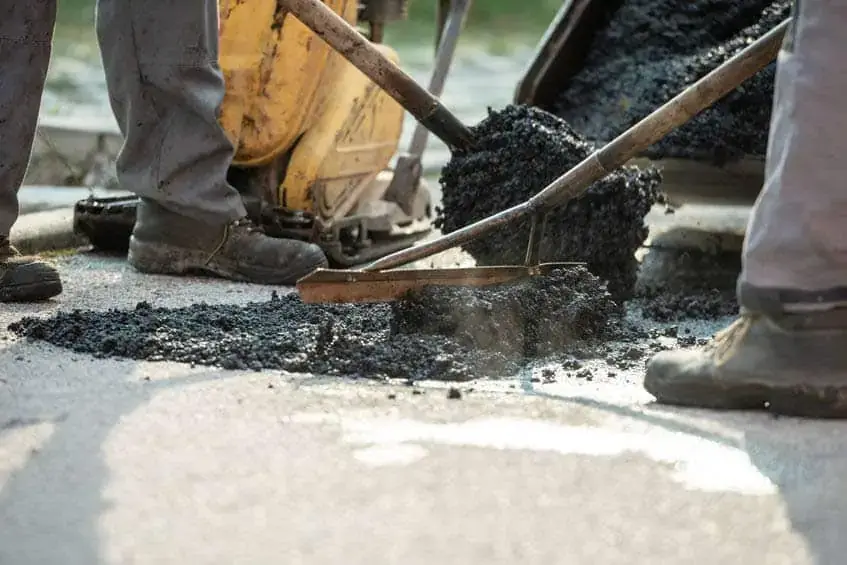
The Unsolicited Driveway Paving Ambush
A residential homeowner was approached by an itinerant paving crew claiming they had excess asphalt from a municipal paving project down the road. The crew leader pressured the homeowner to accept a discounted cash price, warning that the truck must be unloaded immediately. The homeowner agreed, paid a cash deposit, and watched workers spread a thin, uncompacted layer of cold asphalt over dirt.
Within two weeks, heavy delivery trucks cracked the thin asphalt layer, and weeds pushed upward through the crumbling surface. When the homeowner attempted to call the phone number on the receipt, the line was disconnected, and the temporary LLC registration was dissolved.
The Mid-Project Price Escalation Trap
A property owner signed a low-bid contract for a commercial parking lot repaving project with a contractor found online. Midway through excavation, the contractor stopped work, claiming unexpected underground tree roots required expensive soil stabilization work. The contractor demanded an immediate cash payment of five thousand dollars to continue excavation, threatening to abandon the torn-up site.
The property owner refused cash payment and demanded a written change order detailing soil test results. The contractor abandoned the site, leaving the parking lot excavated and impassable for customer vehicles.
The Uninsured Worker Injury Liability Nightmare
A commercial property owner hired an unverified paving contractor who presented a paper insurance certificate during contract negotiations. During compaction operations, a paving roller operator suffered severe leg injuries when the machine slipped off an uncompacted shoulder slope. The property owner discovered that the contractor’s insurance policy had expired three months prior to the project start date.
The injured worker filed a personal injury lawsuit against the property owner, resulting in costly legal defense fees and settlement liabilities.
The Fake Supplier Lien Foreclosure Notice
A suburban homeowner paid a residential paving contractor in full upon project completion without requesting supplier lien waivers. Three months later, the homeowner received a formal mechanic lien notice from a local asphalt batch plant. The contractor had collected the homeowner’s check but failed to pay the asphalt plant for the raw material delivery.
The homeowner was forced to pay the asphalt plant directly to clear the title lien, doubling the actual cost of the driveway project.
Planning, Cost, and Resource Dynamics in Secure Contracting
Comprehensive Financial and Legal Risk Management
Securing a paving project against fraudulent operators requires allocating time and resources toward rigorous upfront verification and legal contract drafting. Direct costs include legal review fees for contract documents, while indirect costs involve project delays during background checks. Investing in thorough contractor vetting protects capital funds and prevents catastrophic financial losses from fraudulent schemes.
Proper financial planning balances competitive pricing against verified contractor credentials to ensure long-term structural asset durability.
Secure Contracting Resource Allocation Matrix
| Contracting Execution Phase | Allocation Percentage | Primary Verification Focus | Main Legal Risk Factor |
| Contractor Vetting & Research | 15% – 25% | State licenses, insurance, BBB records | Unlicensed operators, fake credentials |
| Contract Drafting & Review | 20% – 30% | Itemized scope, lien waivers, warranties | Vague terms, missing thickness specs |
| Milestone Payment Management | 40% – 50% | Escrow accounts, check payments, receipts | Cash demands, premature large deposits |
| Project Completion & Sign-Off | 10% – 15% | Final inspection, unconditional waivers | Unpaid supplier liens, latent defects |
Tools, Strategies, and Support Systems
State Contractor Licensing Board Databases
State licensing board online databases allow property owners to verify contractor license status, disciplinary actions, and complaint histories instantly. Checking official state registries exposes fraudulent operators using expired or fake license numbers.
Utilizing official government databases ensures that contracted civil workers possess legal authorization to perform structural construction projects.
Independent Insurance Carrier Direct Verification
Calling insurance underwriting agencies directly using verified phone numbers confirms general liability and worker’s compensation policy active status. Direct verification prevents property owners from relying on forged or altered paper insurance certificates presented by fraudulent contractors.
Verifying insurance coverage protects property owners from personal financial liability during construction workplace accidents.
Secure Digital Escrow and Check Payments
Utilizing secure check payments, bank wire transfers, or escrow accounts creates an immutable paper trail for all project financial transactions. Paying with traceable methods provides legal evidence in consumer protection courts if contract fraud occurs.
Avoiding cash transactions strips fraudulent operators of anonymity, ensuring financial accountability throughout the project lifecycle.
Risk Landscape and Compounding Legal Failure Modes How to Avoid Contractor Paving Scams
Unenforceable Verbal Agreements and Handshake Deals
Relying on verbal agreements and handshake deals creates severe legal vulnerabilities during contractor disputes or fraudulent abandonment cases. Verbal contracts lack objective performance standards, making it nearly impossible for consumer protection agencies or civil courts to enforce restitution. Fraudulent operators exploit handshake agreements to alter project terms, demand extra cash, and evade legal liability.
Enforcing written, legally binding contracts signed by both parties ensures accountability and protects property owner rights.
Unpermitted Construction and Municipal Violations
Unscrupulous contractors often skip obtaining mandatory municipal building permits to save money and avoid structural inspections. Unpermitted paving work violates local civil codes, triggering municipal stop-work orders, heavy fines, and mandatory tear-out decrees. Property owners bear full legal and financial responsibility for resolving municipal code violations caused by rogue contractors.
Requiring the contractor to pull all mandatory municipal permits before beginning work ensures legal compliance and protects property investments.
Governance, Contractual Protection, and Long-Term Enforcement
Secure Contracting Protocol Checklist
Implementing a structured contracting protocol protects property owners from predatory paving scams, ensuring legal compliance and structural quality. Proactive vetting and strict contract enforcement safeguard real estate assets against fraudulent operators.
-
Verify State License: Check contractor license status and complaint history on official state regulatory websites.
-
Direct Insurance Check: Call insurance carriers directly to verify active general liability and worker’s compensation policies.
-
Secure Written Estimates: Obtain a minimum of three detailed, itemized bids specifying exact material dimensions and base depths.
-
Demand Written Contracts: Ensure contracts include start dates, completion deadlines, warranty terms, and lien waiver requirements.
-
Prohibit Cash Payments: Pay via traceable checks or bank transfers; never issue large upfront cash deposits.
-
Require Municipal Permits: Confirm the contractor pulls all required local building and zoning permits prior to work.
Measurement, Tracking, and Evaluation Frameworks
Contractor Vetting and Compliance Indicators
Evaluating contractor vetting thoroughness requires tracking key quantitative and qualitative compliance metrics throughout the selection process.
-
Leading Indicators: Number of bids compared, state license verification timestamps, insurance carrier confirmation calls, and reference check counts.
-
Lagging Indicators: Contract specification granularity, lien waiver collection rates, municipal permit approval records, and warranty documentation validity.
Common Misconceptions and Oversimplifications
Misconception: Local Truck Lettering Proves Contractor Legitimacy
Property owners often assume that contractors driving trucks with professional business logos and magnetic signs are trustworthy and established. Scam operators frequently rent commercial trucks and apply temporary magnetic signs to project a false image of corporate legitimacy.
True legitimacy requires verifying physical office addresses, permanent landline phone numbers, state licenses, and active insurance policies. Looking beyond surface-level truck branding protects property owners from sophisticated transient fraud.
Misconception: Written Warranties Guarantee Long-Term Repairs
A widespread myth claims that holding a contractor’s written warranty document guarantees free repairs if the driveway crumbles prematurely. Fraudulent operators frequently issue fake warranties featuring non-existent corporate addresses and disconnected phone numbers.
Warranties are only as reliable as the financial stability and legal longevity of the contracting company backing them. Verifying corporate history and business reputation ensures that warranty claims will be honored if structural failures occur.
Ethical, Practical, and Environmental Considerations
Combating predatory paving scams protects community economic stability while supporting legitimate local contractors who adhere to high ethical standards. Unscrupulous operators dump toxic waste materials, scrap asphalt, and petroleum solvents illegally in municipal landfills or vacant lots. Legitimate contractors recycle old pavement responsibly through certified batch plants, protecting local environmental ecosystems and water resources.
Supporting licensed, reputable civil contractors preserves community infrastructure standards while eliminating fraudulent operators from local construction markets.
Strategic Conclusion
Protecting real estate assets from fraudulent operators requires mastering how to avoid contractor paving scams through systematic vetting and rigorous legal contracting. Long-term structural integrity relies on verifying state licenses, confirming active insurance coverage, and securing detailed written scopes of work. Eliminating cash payments, requiring lien waivers, and enforcing municipal permit compliance prevents financial exploitation and structural failure.
Investing time in thorough contractor research and legal contract execution shields property owners from dishonest operators. Designing secure paving agreements ensures safe, high-performance transportation infrastructure and long-term asset protection across any residential or commercial property.